Important safety information
PrARAZLOTM (tazarotene lotion, 0.045%) is indicated for the topical treatment of acne vulgaris in patients 10 years of age and older.1
| Clinical use: | ||||||||||||||||||||
|
||||||||||||||||||||
| Contraindications: | ||||||||||||||||||||
|
||||||||||||||||||||
| Relevant warnings and precautions: | ||||||||||||||||||||
|
||||||||||||||||||||
| For more information: | ||||||||||||||||||||
| Please see the Product Monograph here for important information on adverse reactions, drug interactions and dosing not discussed in this piece. The Product Monograph is also available by calling 1-800-361-4261. |

Now available on many provincial formularies
(criteria may apply)

ARAZLO (tazarotene lotion, 0.045%) is indicated for the topical treatment of acne vulgaris in patients 10 years of age and older.1
ARAZLO demonstrated efficacy in all co-primary endpoints at week 12 in two large vehicle-controlled clinical trials1†
ARAZLO showed significantly greater mean percent reduction in inflammatory lesion count at week 12 from baseline vs. vehicle (secondary endpoint)1
Mean percent reduction in inflammatory lesion count at weeks 8 and 12 (secondary endpoints)1,2
Both studies met 6 out of 7 secondary efficacy endpoints. However, the difference between treatment groups at week 4 in inflammatory lesion counts was not significant.†
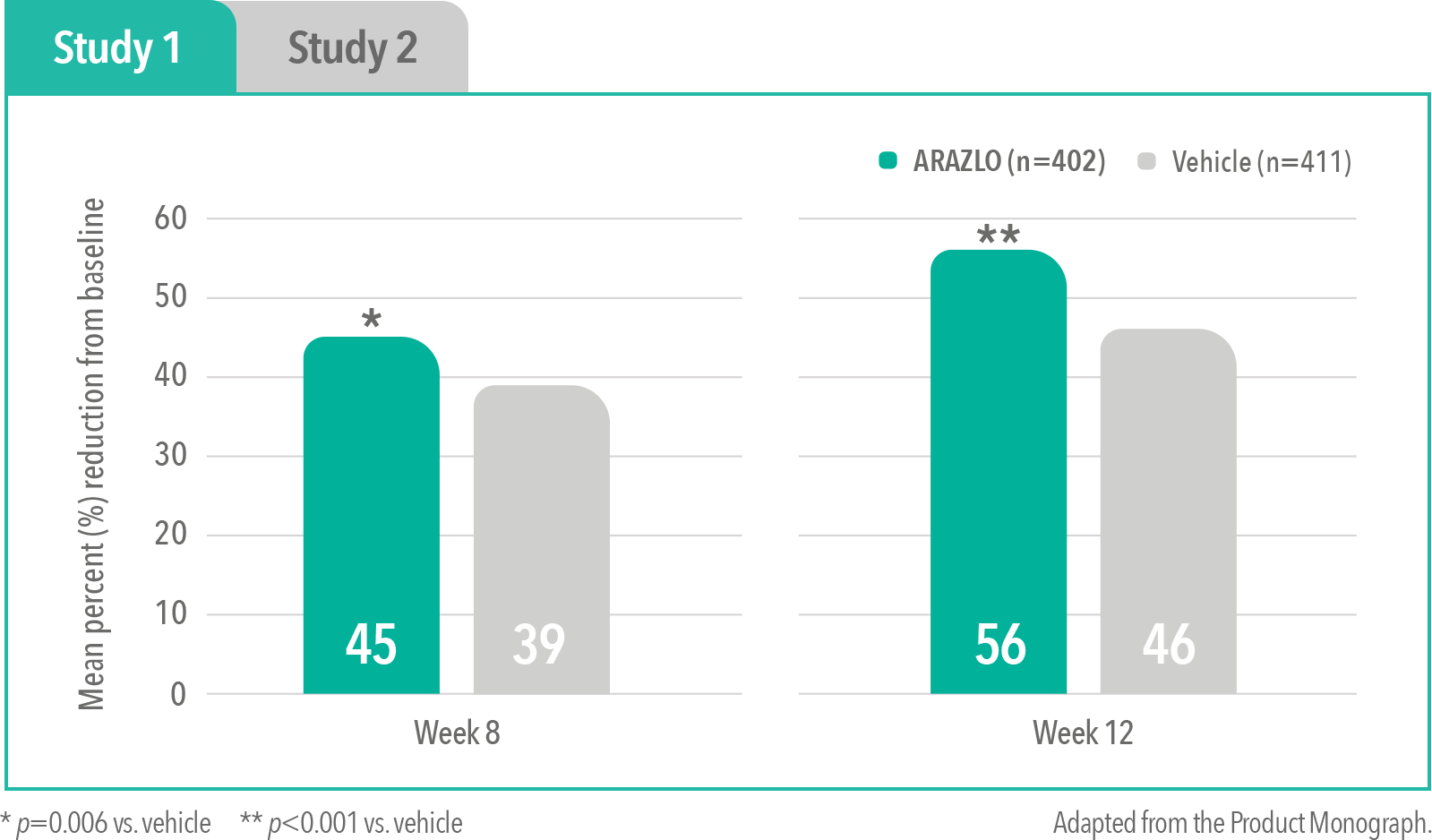
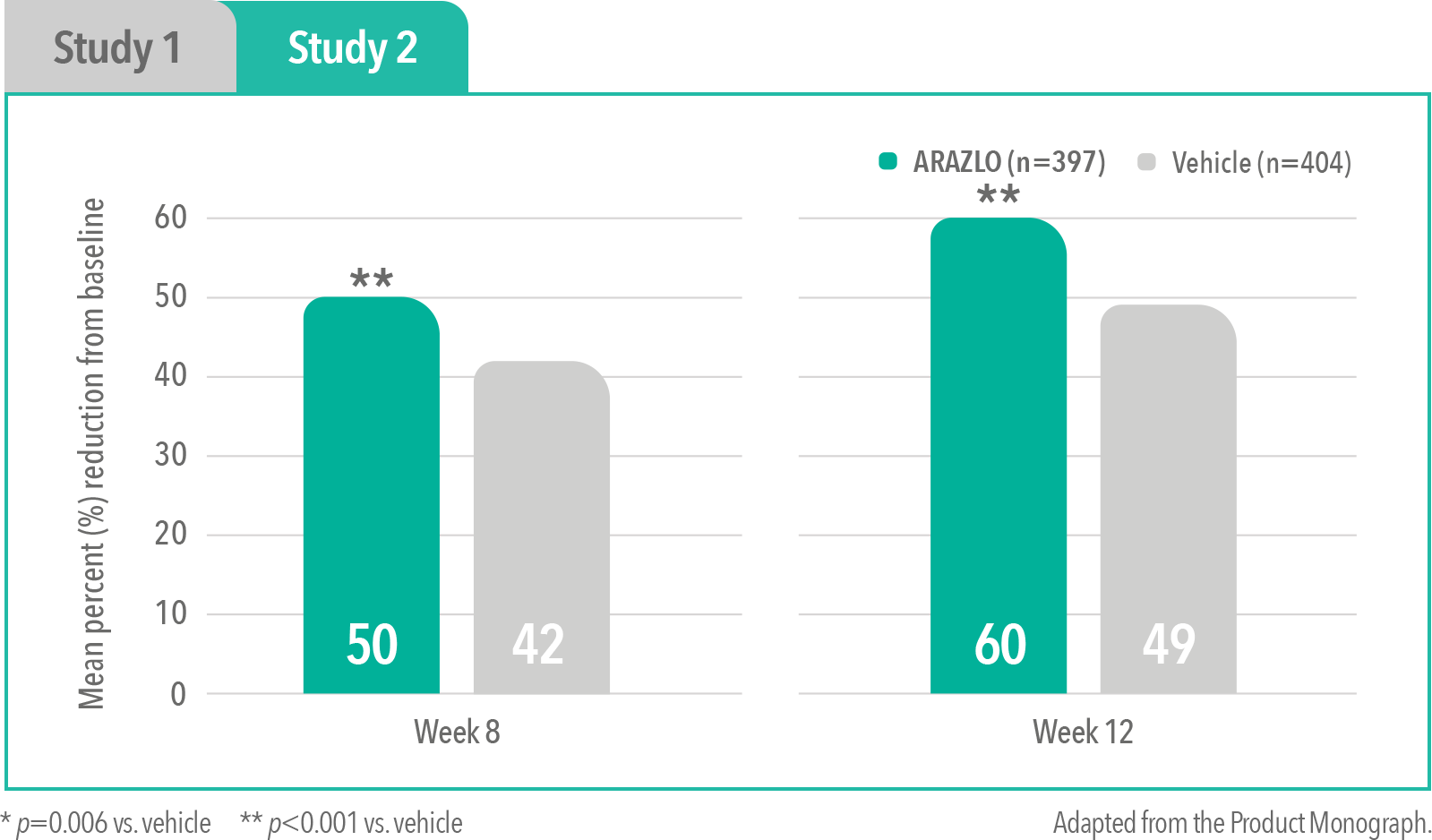
| † | Two identical prospective, randomized, multicenter, double-blind, parallel-group, vehicle-controlled, Phase 3 clinical trials compared ARAZLO lotion (n=402 and n=397 in studies 1 and 2, respectively) with the vehicle lotion (n=411, n=404), in patients aged 9 years and older with moderate to severe acne. Co-primary efficacy endpoints included treatment success on the Evaluator’s Global Severity Score (EGSS) and absolute change in non-inflammatory and inflammatory lesion counts at week 12. Secondary endpoints included percentage change in non-inflammatory and inflammatory lesion counts at weeks 12, 8 and 4, and proportion of subjects with at least a 2-grade reduction from baseline in EGSS at week 12. |
Mean percent reduction in non-inflammatory lesion count at weeks 4, 8 and 12 (secondary endpoints)1,2
Both studies met 6 out of 7 secondary efficacy endpoints. However, the difference between treatment groups at week 4 in inflammatory lesion counts was not significant.†
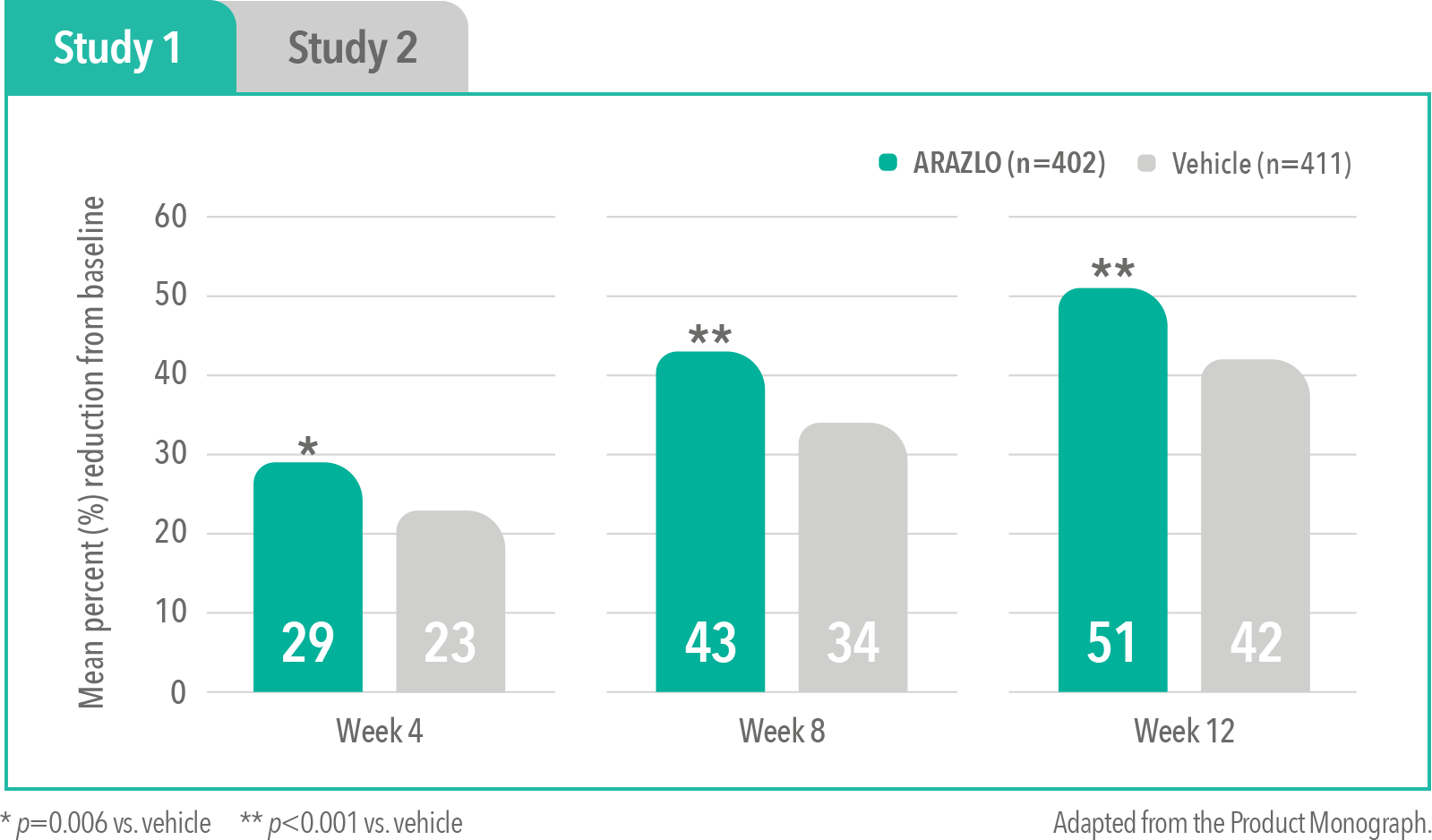

| † | Two identical prospective, randomized, multicenter, double-blind, parallel-group, vehicle-controlled, Phase 3 clinical trials compared ARAZLO lotion (n=402 and n=397 in studies 1 and 2, respectively) with the vehicle lotion (n=411, n=404), in patients aged 9 years and older with moderate to severe acne. Co-primary efficacy endpoints included treatment success on the Evaluator’s Global Severity Score (EGSS) and absolute change in non-inflammatory and inflammatory lesion counts at week 12. Secondary endpoints included percentage change in non-inflammatory and inflammatory lesion counts at weeks 12, 8 and 4, and proportion of subjects with at least a 2-grade reduction from baseline in EGSS at week 12. |
Percentage of patients with treatment success on the EGSS at week 12
Treatment success was defined as percentage of patients with ≥2-grade improvement from baseline and an Evaluator’s Global Severity Score (EGSS) of clear (normal, clear skin with no evidence of acne vulgaris) or almost clear (rare non-inflammatory lesions and papules) at week 12.

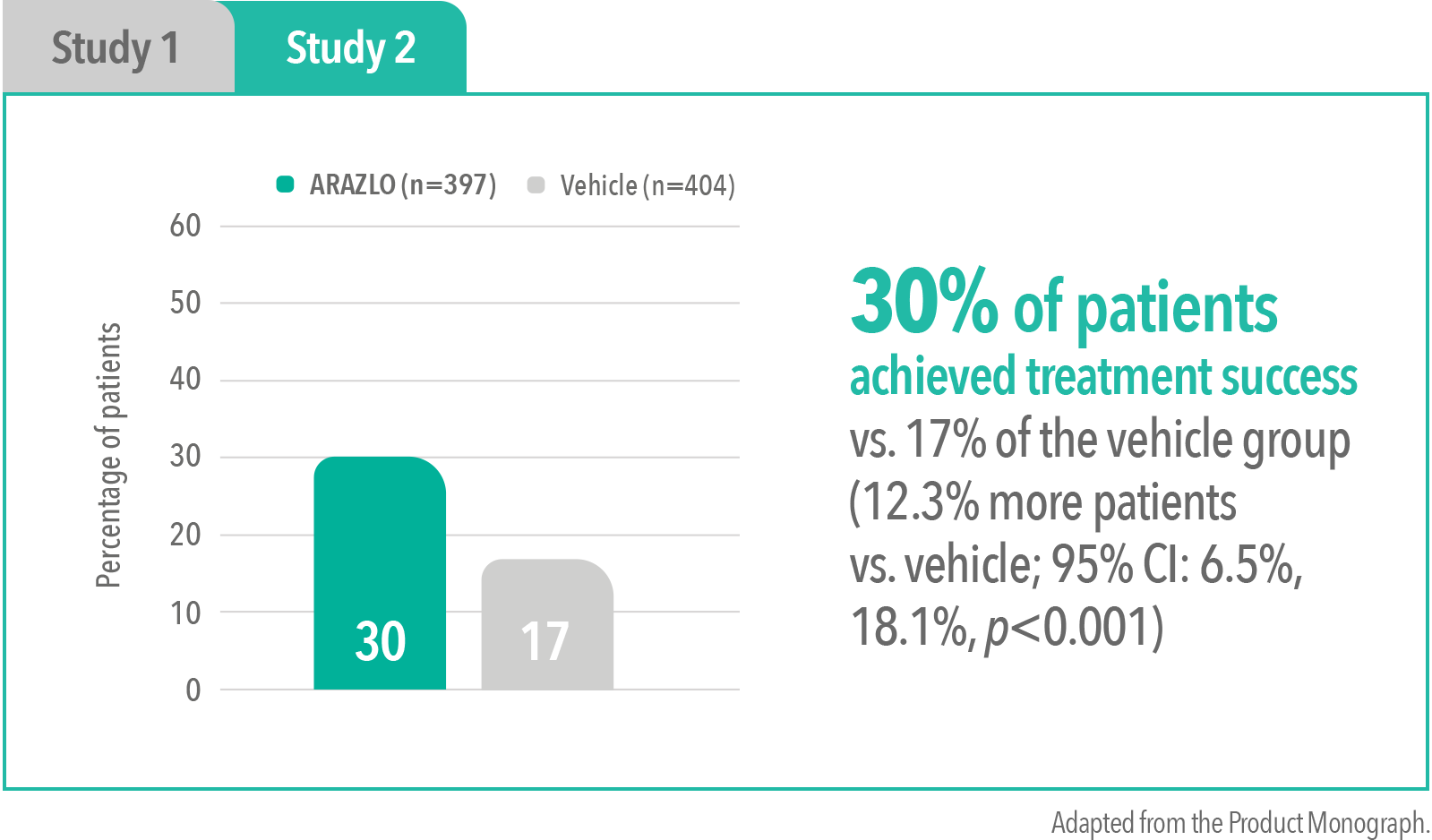
| EGSS: Evaluator’s Global Severity Score | |
| † | Two identical prospective, randomized, multicenter, double-blind, parallel-group, vehicle-controlled, Phase 3 clinical trials compared ARAZLO lotion (n=402 and n=397 in studies 1 and 2, respectively) with the vehicle lotion (n=411, n=404), in patients aged 9 years and older with moderate to severe acne. Co-primary efficacy endpoints included treatment success on the Evaluator’s Global Severity Score (EGSS) and absolute change in non-inflammatory and inflammatory lesion counts at week 12. |
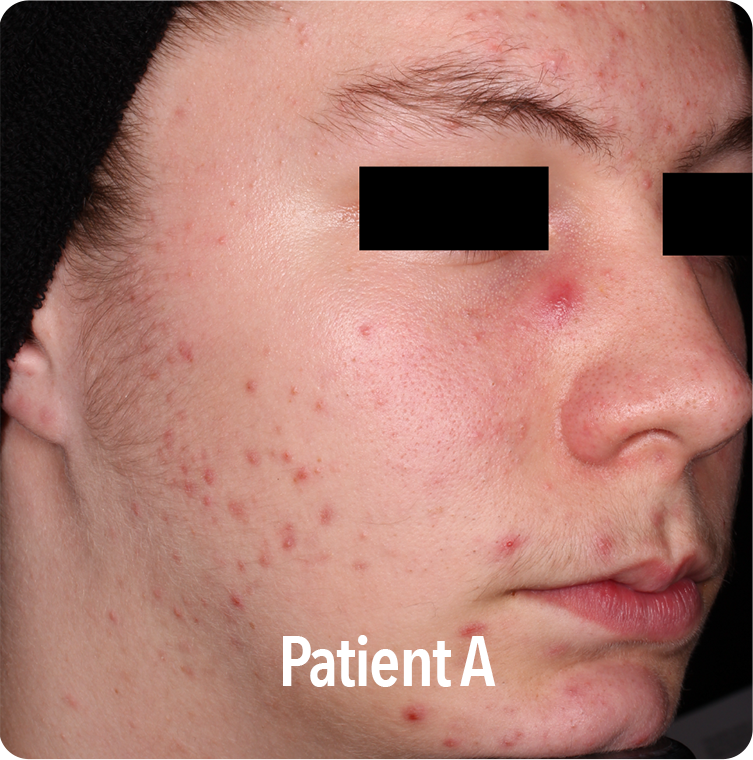
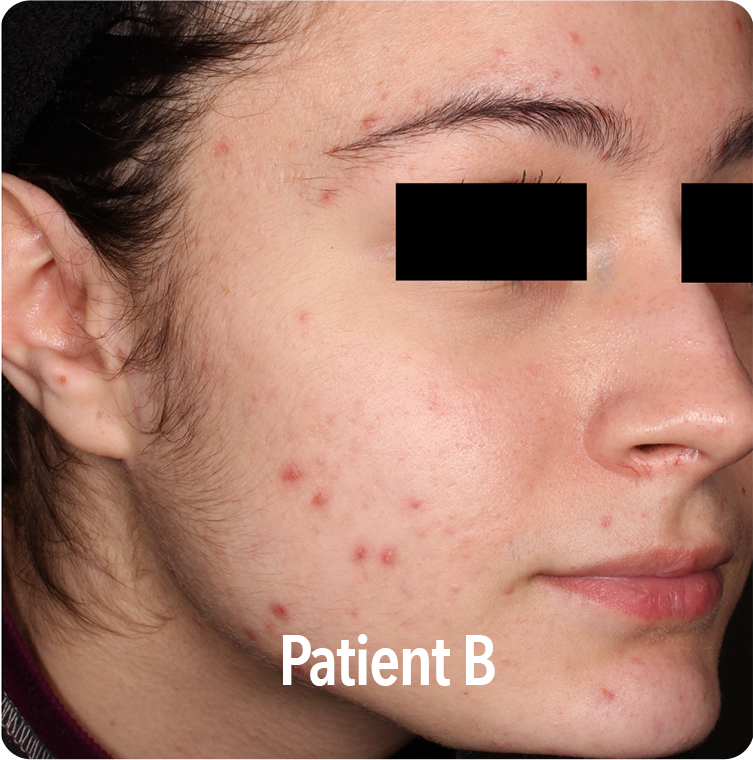
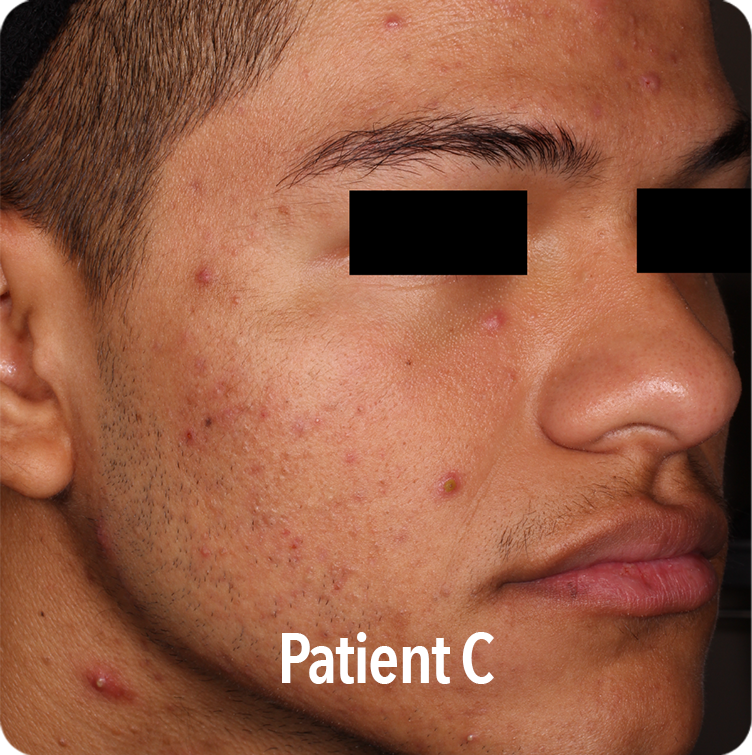
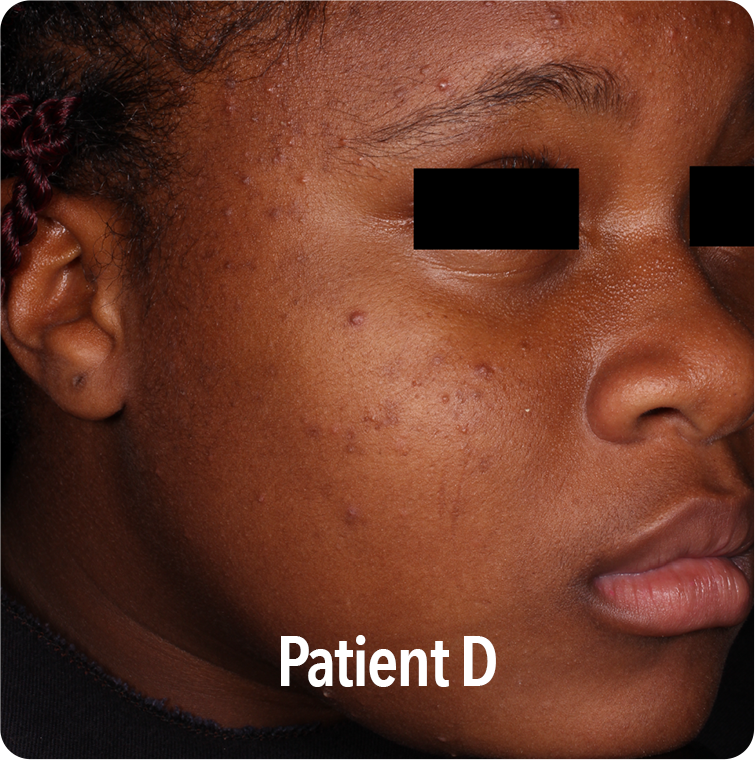
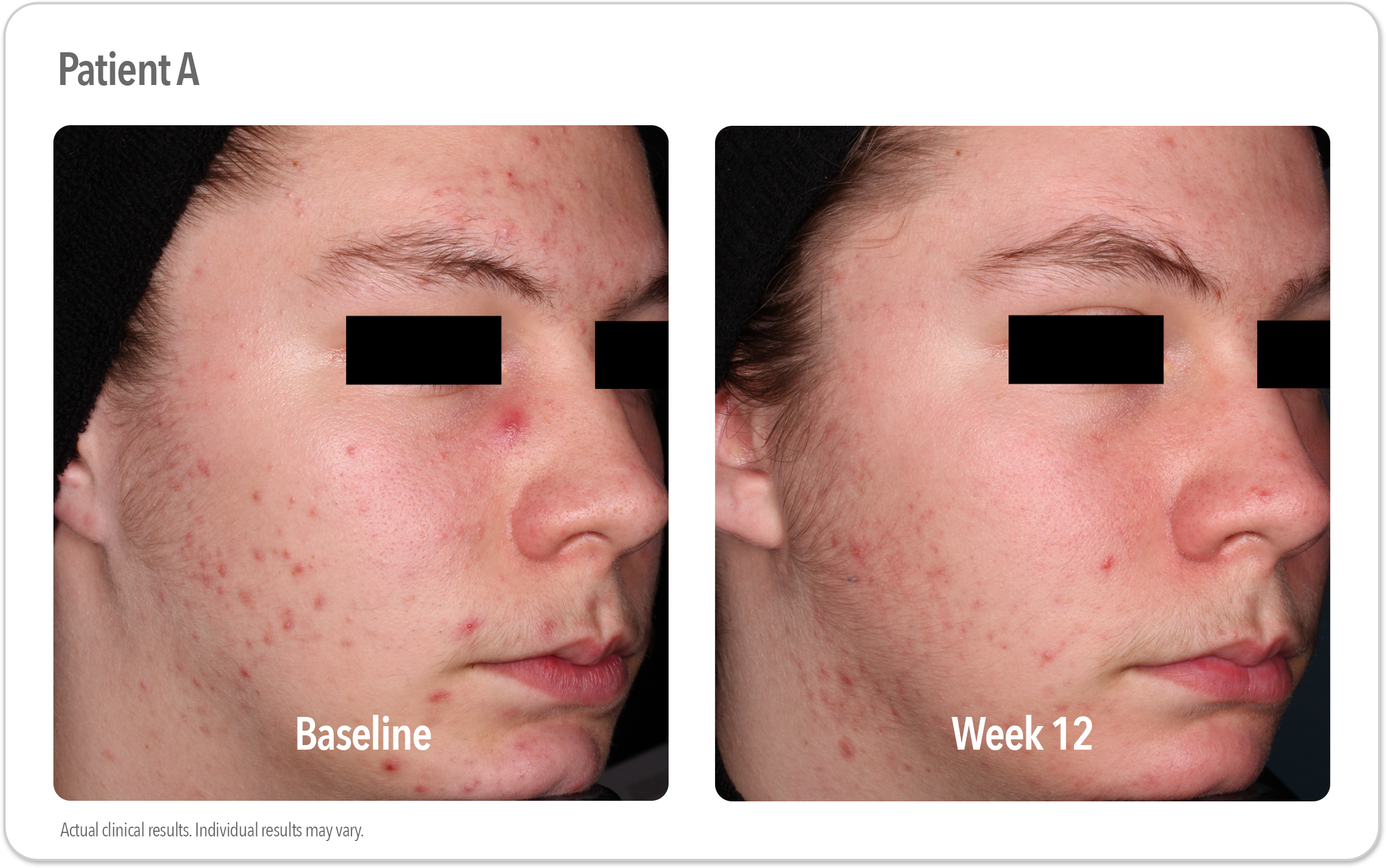
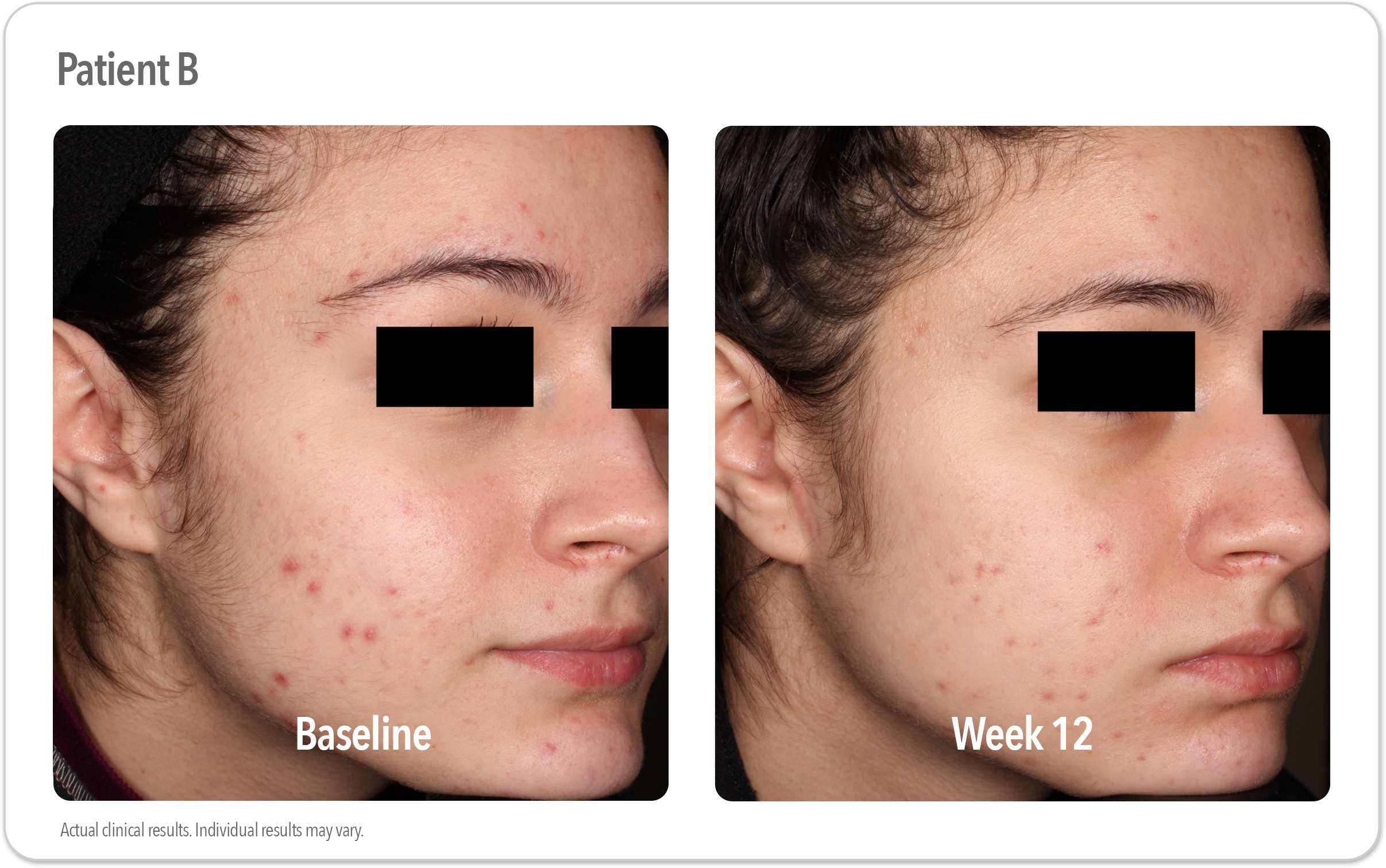
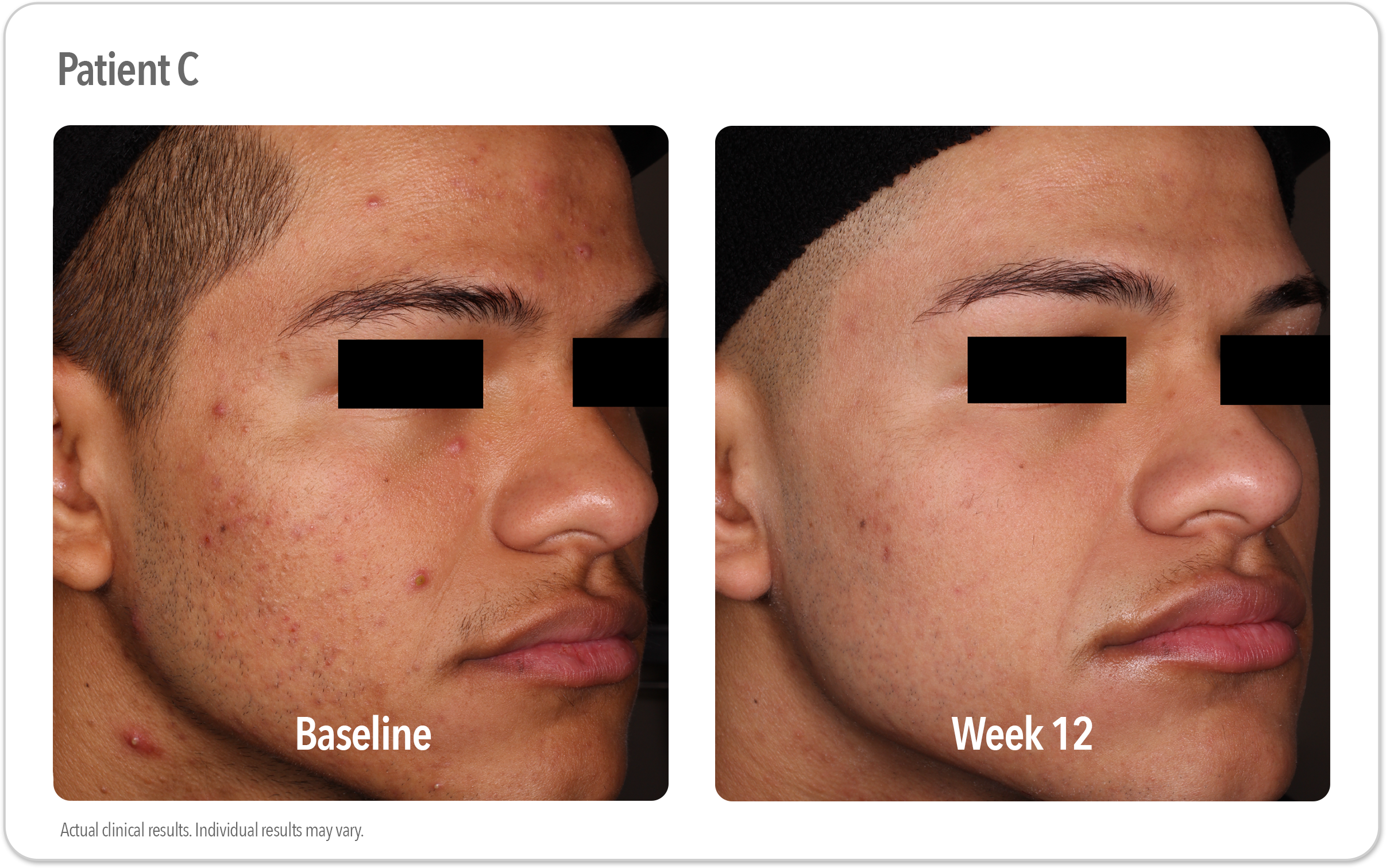
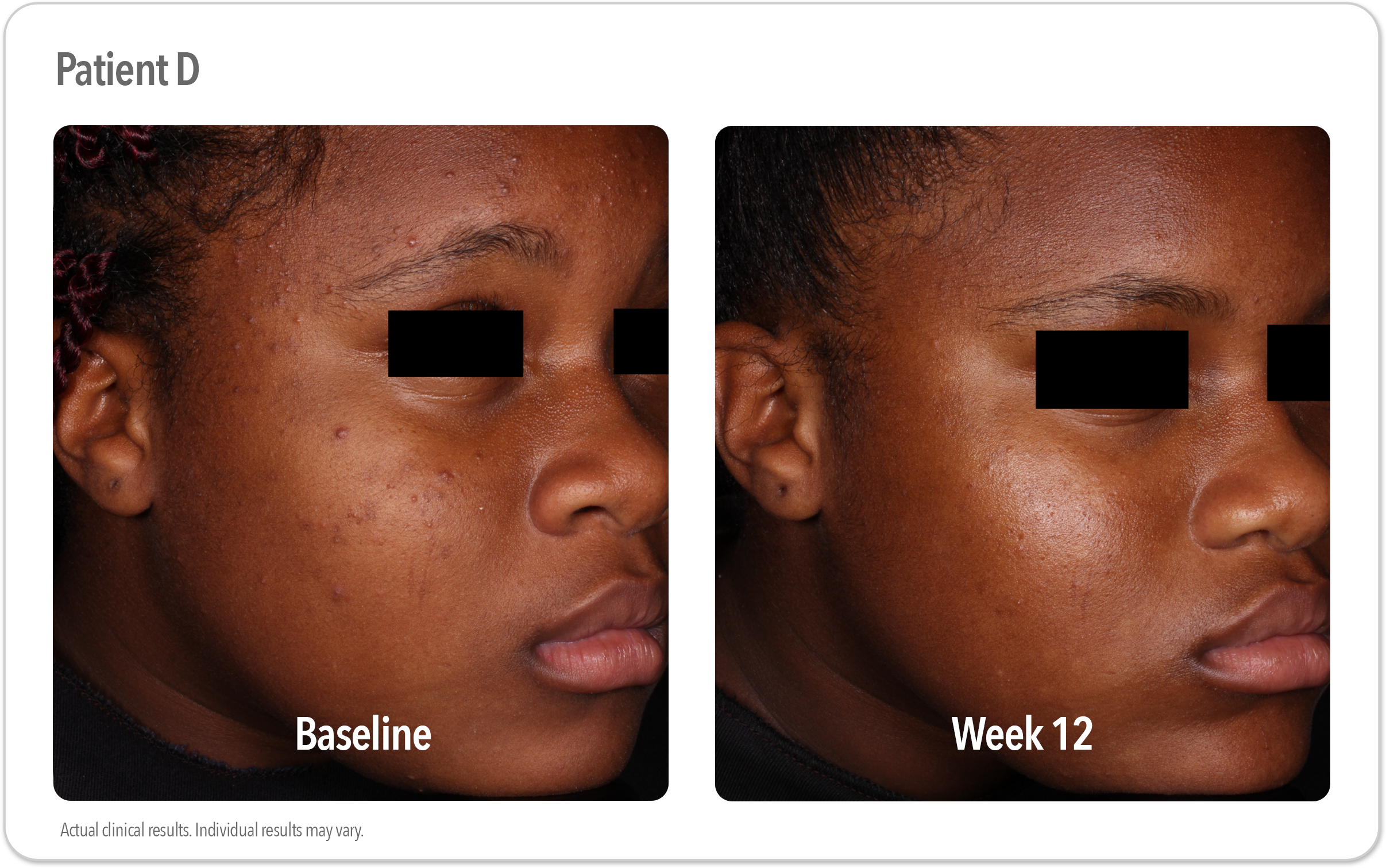
Patient results from pivotal clinical trials3
Cutaneous safety and tolerability assessments1
The cutaneous safety and tolerability of ARAZLO were evaluated through active assessments of the following parameters† at the application site:

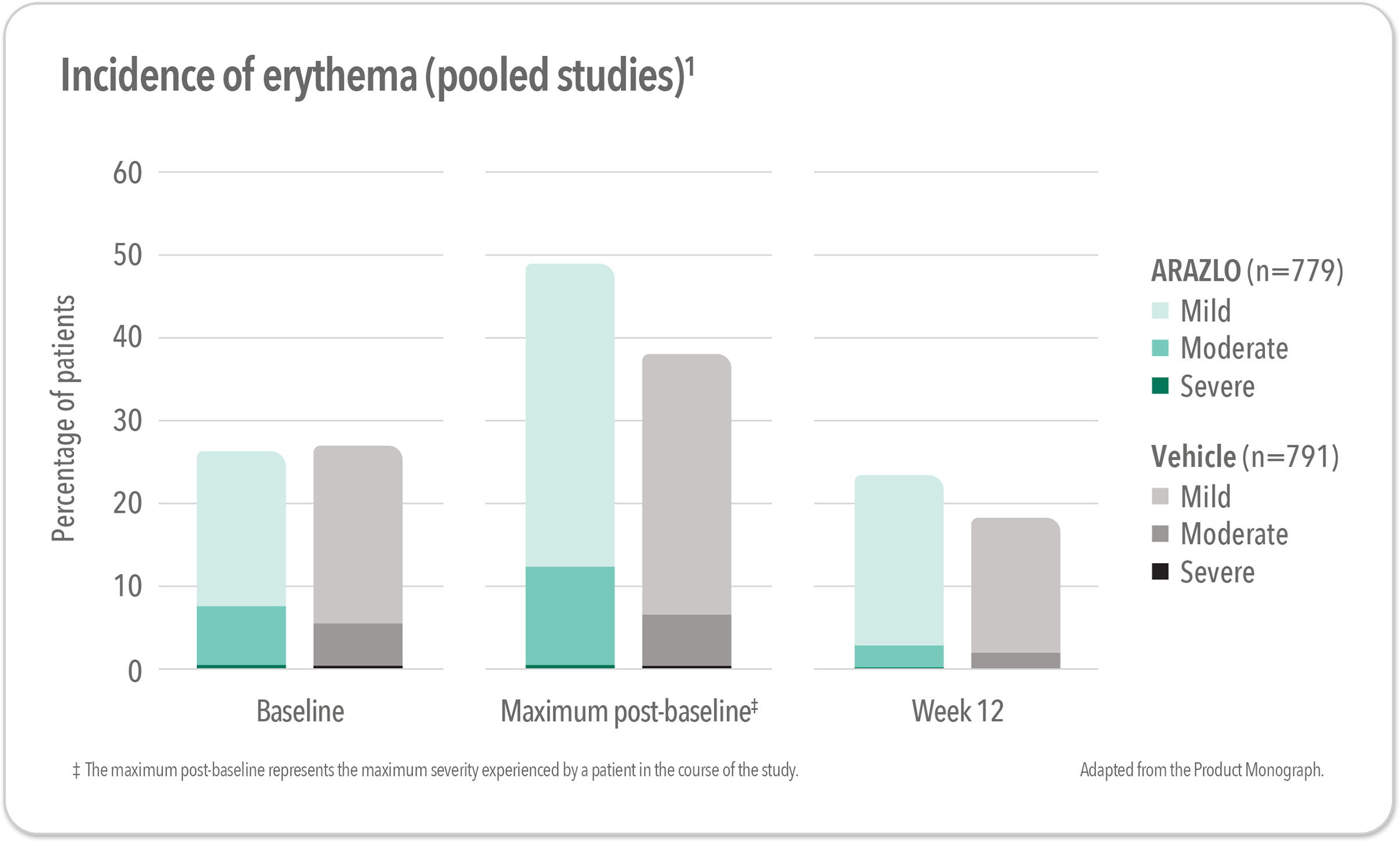

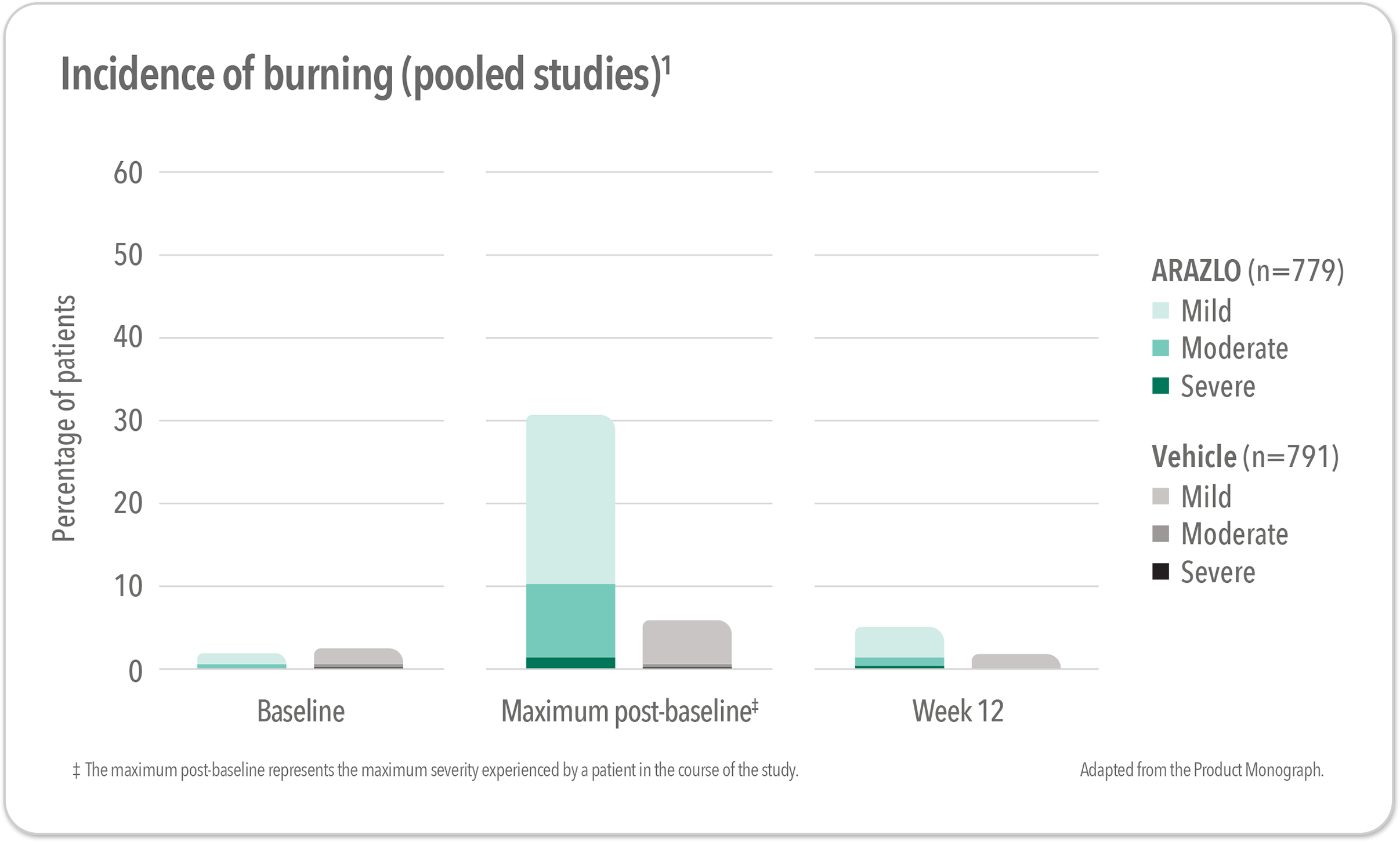
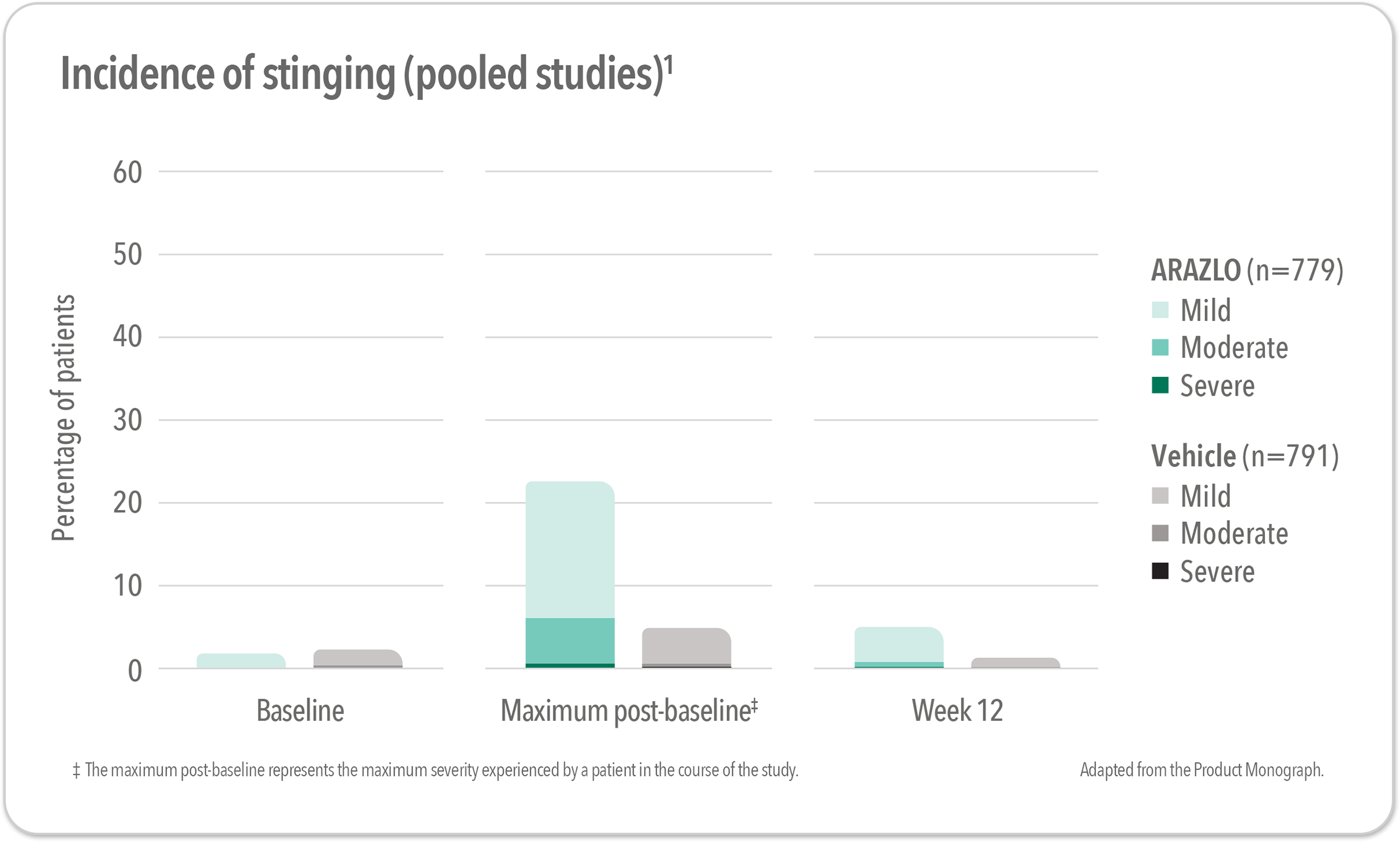
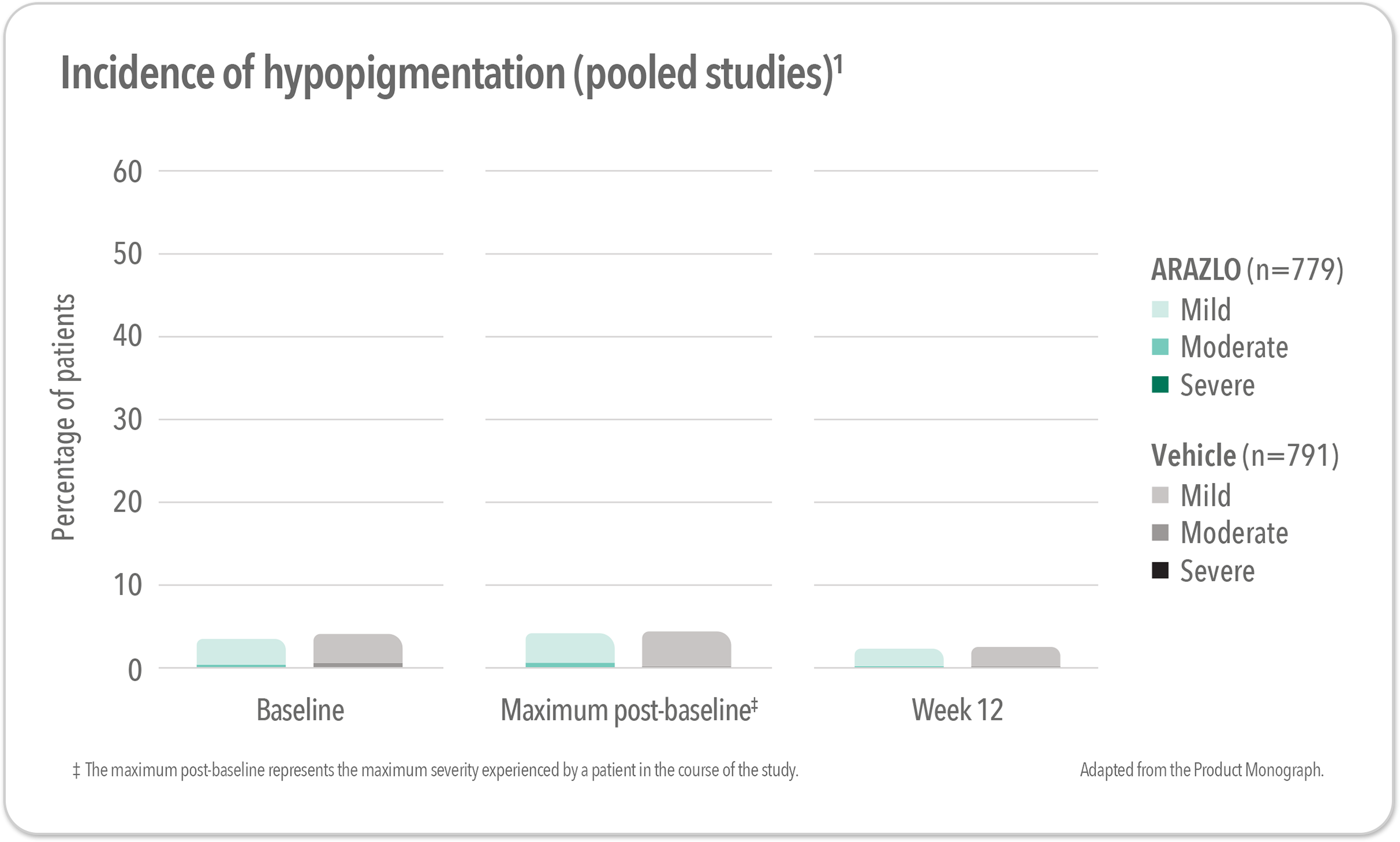

- Overall, the incidence and mean scores of erythema, scaling, burning, stinging and itching were higher for ARAZLO vs. vehicle at any postbaseline visit.
- Symptoms were generally mild to moderate, showing transient increases in severity that peaked around week 2 and improved over the course of the study.
- At week 12, most patients showed small changes from baseline in nearly all assessed parameters.
| Please see the Product Monograph for complete information on incidence of cutaneous safety and tolerability parameters. | |
| † | Cutaneous safety and tolerability parameters were evaluated at each study visit. Severity of the parameters was graded as none, mild, moderate or severe. |
Get to know ARAZLO lotion
A lightweight, non-greasy lotion1†
ARAZLO lotion contains known hydrating and moisturizing ingredients such as diethyl sebacate, light mineral oil and sorbitol solution, which may alleviate dryness of skin.†
- The PrismatrexTM polymeric emulsification system maintains the emulsion droplets size distribution stable across time and temperature.
- This system provides stable emulsions by anchoring its hydrophobic portions and forming an adsorbed gel layer around each oil droplet.
- The target pH of 5.0-6.0 is controlled by the amount of polymer base (sodium hydroxide) present in the formulation.
- This pH range is consistent with the pH tolerated by the skin without inducing irritation.
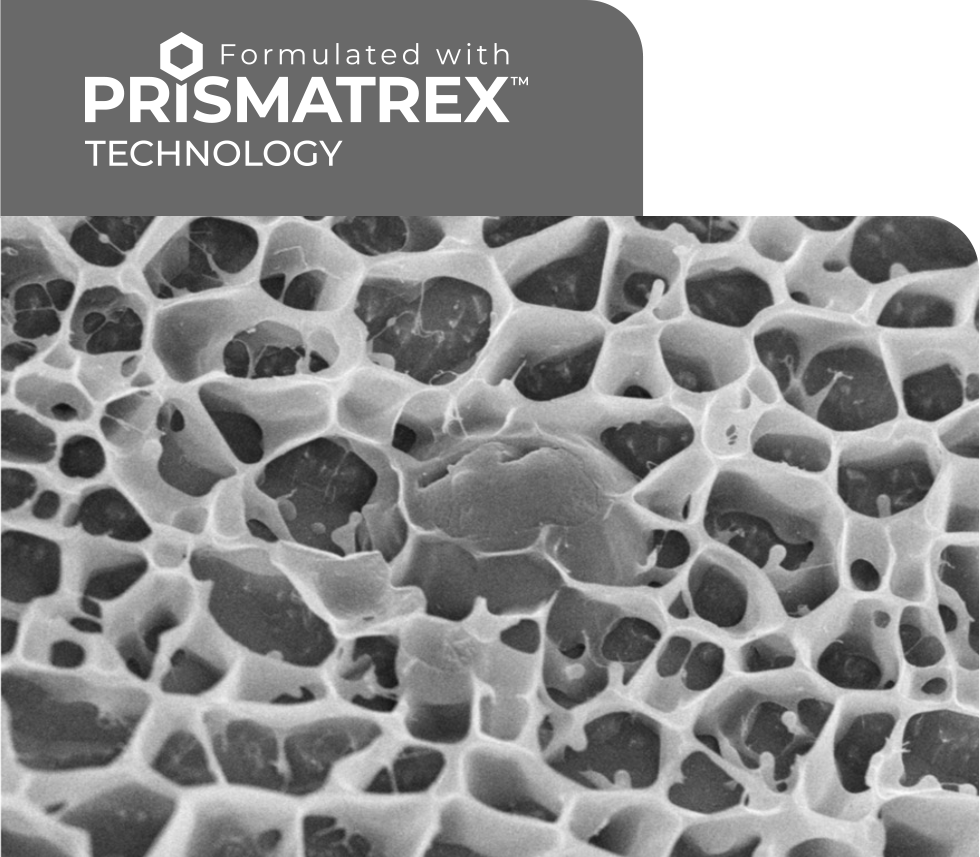
10,000X magnification of honeycomb mesh showing an emulsion droplet
| † | Comparative clinical significance is unknown. |
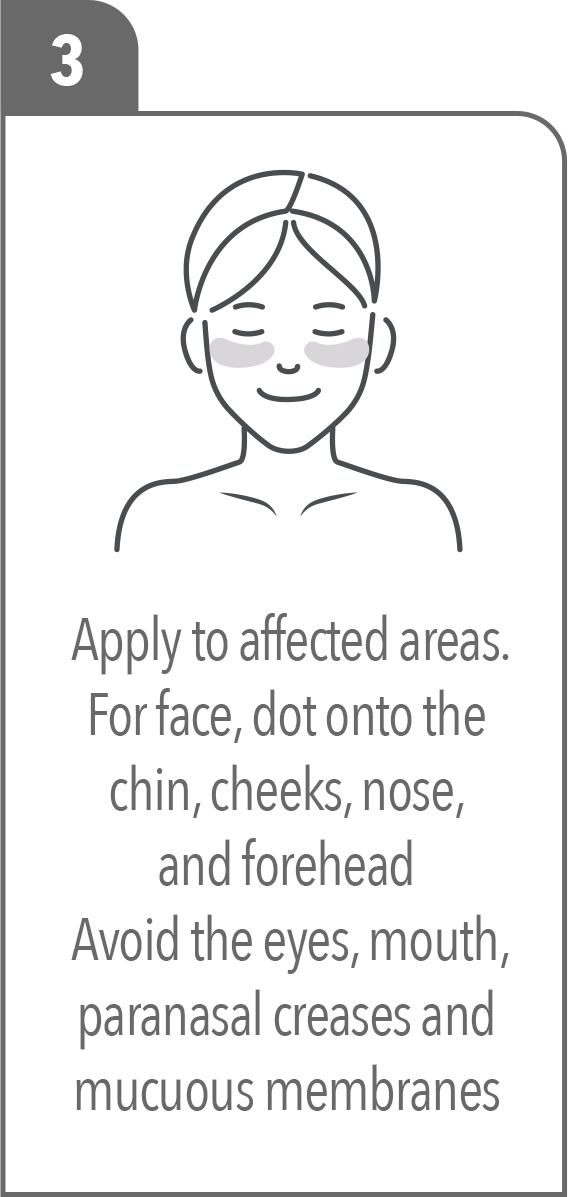
ARAZLO is applied once daily in 5 steps1



Discontinue treatment when control has been achieved. Treatment may be reinitiated as necessary. Intermittent use should be the least number of applications that will prevent recurrence of acne.1
| Clinical use: | ||||||||||||||||||||
|
||||||||||||||||||||
| Contraindications: | ||||||||||||||||||||
|
||||||||||||||||||||
| Relevant warnings and precautions: | ||||||||||||||||||||
|
||||||||||||||||||||
| For more information: | ||||||||||||||||||||
| Please see the Product Monograph here for important information on adverse reactions, drug interactions and dosing not discussed in this piece. The Product Monograph is also available by calling 1-800-361-4261. | ||||||||||||||||||||
| References: 1. ARAZLO Product Monograph. Bausch Health, July 7, 2021. 2. Tanghetti EA, Werschler WP, Lain T, et al. Tazarotene 0.045% lotion for once-daily treatment of moderate-to-severe acne vulgaris: results from two Phase 3 trials. J Drugs Dermatol. 2020;19(1):70-77. 3. Data on file. Bausch Health, 2021. |

Bausch Health Companies Inc.
or its affiliates.
2150 St-Elzéar Blvd. West
Laval, Quebec H7L 4A8
All rights reserved.